

5 Luxury Watch Brand Alternatives That Can Outshine Rolex
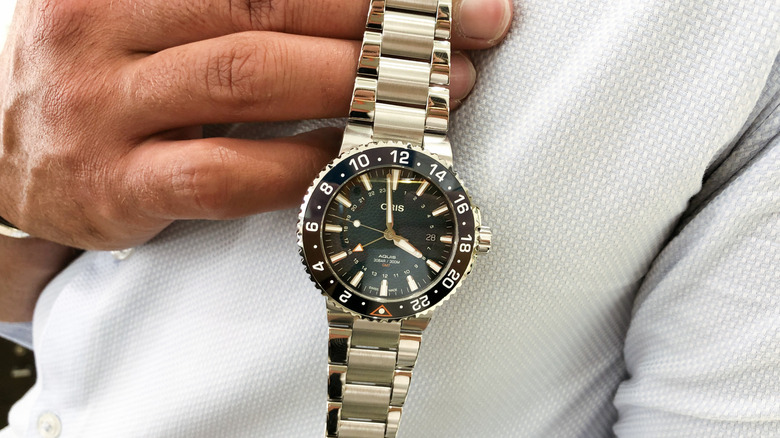
Rolex has a legendary reputation. They are worn by Navy SEALs, after all, and are the brand that comes to mind when you think of luxury timepieces. It's to elite watches what McDonald's is to fast food—synonymous and internationally recognized. Rolex is the brand that so many people aspire to slap on their wrist, and the one many choose when they've "made it." From rappers to CEOs to your well-to-do uncle with expensive taste, wearing pieces like the Perpetual Oyster is akin to waving wads of cash around. The Swiss powerhouse — with a history dating back to 1905 — still dominates much of the luxury space today. The Crown's recognizable models are penultimate status symbols worn by the rich and famous, yet for many watch nerds, the brand is perhaps overrated and even overshadowed by other Swiss, Japanese, and French horological houses.
While Rolex has mastered the everyday wearable, office-to-the-yacht-club watch, competing manufacturers — from other Swiss juggernauts to precision-obsessed Japanese studios — deliver equal doses of mechanical magic without the exclusivity and, in some cases, at a fraction of the cost. Sure, a Rolex movement is an engineering marvel, but you can find equally inspired configurations from competitors on the market. Alternative brands also offer master chronometer certifications, hyper-accurate movements, and specs that rival those of a Rolex Daytona or Submariner. Here we offer five exceptional luxury watch brands that deliver superior craftsmanship, deep heritage, elite engineering, and a flex that can turn heads just as easily as ubiquitous Rolexes.
OMEGA
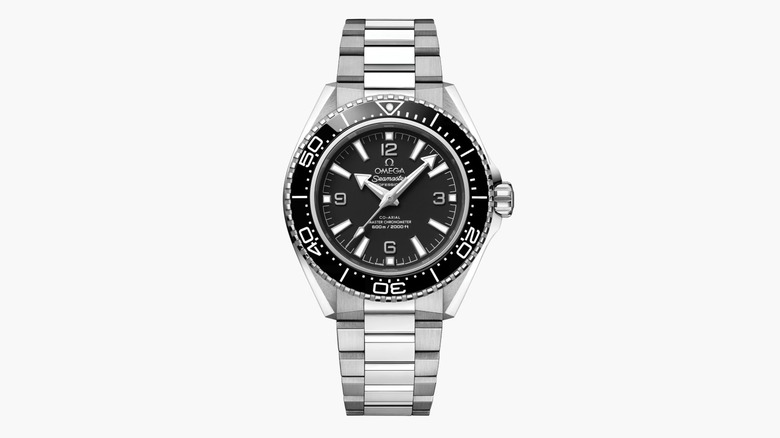
Among watch geeks and collectors, some luxury brands are cited online as not being worth it, overhyped, and underperforming. The Swiss brand OMEGA is not one of them, and is one of the most formidable competitors to Rolex. Its history dates back to 1848, and over a hundred years later, it would famously become the supplier to NASA astronauts during the Apollo 11 lunar landing in 1969. These timepieces are just as resilient under the deep depths of the sea as they are in space, with OMEGA's Seamaster Diver 300M standing as an exemplary titan of modern dive watches.
Models like the Seamaster Planet Ocean 600m can almost hit nine grand, making them a bit of a grail for most and, like a Rollie, a true investment. Sure, Omega might not have the same deep brand cache as Rolex, but true watch geeks perk up when you utter the words: "I own a Seamaster." This piece offers specifications that rival the Submariner with a 42mm case and ceramic bezel, paired perfectly with a laser-engraved ceramic wave dial.
The gorgeous, polished stainless-steel case and bracelet — unless you opt for a more casual rubber strap — are the armor protecting the true masterpiece inside: the OMEGA Co-Axial Master Chronometer Caliber 8912. Designed to withstand the rigors of extreme depths, it features a specialized helium escape valve for saturation diving, ensuring the crystal never blows out during rapid decompression. OMEGA makes some incredible pieces that can blow Rolex out of the water.
Grand Seiko
Sure, Switzerland is often touted as ground zero for horological pursuits. The country seems to have an endless supply of great engineers, who make incredible watches and even build massive underground batteries. Japan is no different, with centuries of expert craftsmanship and technical prowess, though it may not come up in conversation as a horological mecca. You might be familiar with its stalwart brand, Seiko, but watch nerds focus on the high-end Grand Seiko division, which serves as the silent killer in the industry, producing timepieces with frightening precision.
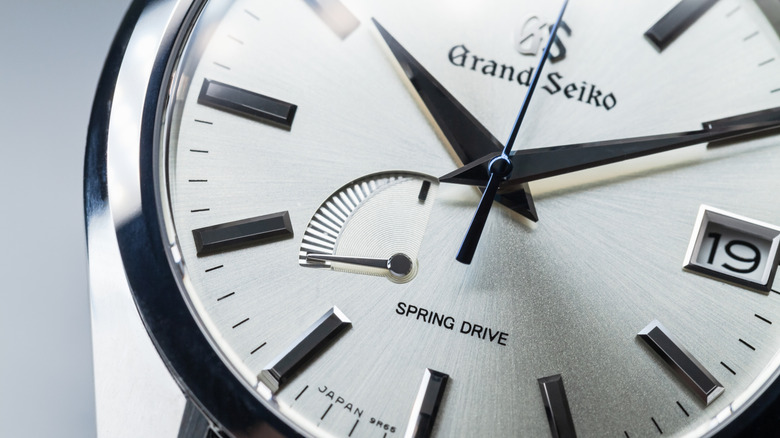
Take, for example, the SBGA211, affectionately known as the "Snowflake," a masterclass in elegant design and flawless engineering. The dial is meticulously crafted with a proprietary silver-plating technique to mimic a soft, snowy surface, delivering tasteful visual depth that mass-produced dials simply can't replicate. It's then encased in high-strength titanium; the Snowflake is 30% lighter than a steel counterpart, providing featherweight comfort on the wrist without sacrificing heavy-duty durability.
The true mechanical sorcery, however, lies in the lauded Caliber 9R65 Spring Drive movement. This powerhouse has a 72-hour power reserve and derives its energy from a traditional mainspring, yet regulates the release with a quartz oscillator. This, in turn, delivers a staggering ±1-second-per-day accuracy and a perfectly smooth, gliding seconds hand. The case features stunning Zaratsu polishing, creating razor-sharp, mirror finishes that photos cannot do justice to. For collectors seeking understated prestige and technical supremacy that can go toe-to-toe with Rolex, Grand Seiko makes some of the most untouchable sleepers.
Zenith
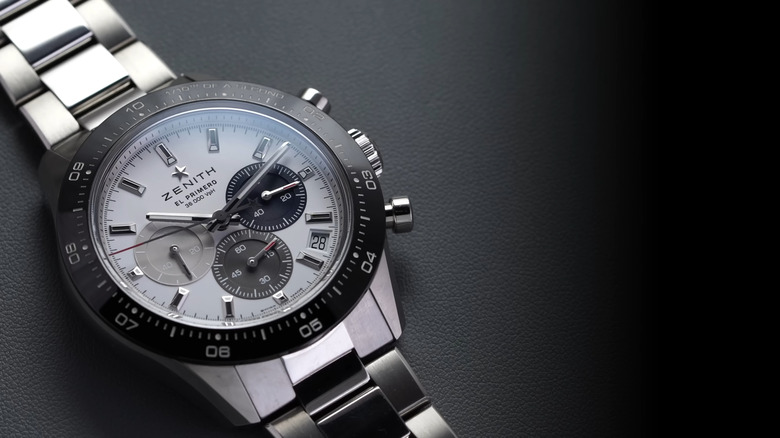
Like many of the other watch companies on our list, Zenith is Swiss and has a long history dating back to 1865. It's also less widely recognized among casual watch fans, but the enthusiasts and nerds who read Teddy Baldassarre's blog or lurk in the horological corners of Reddit know it as a titan. These folks might also know that Zenith has a bit of a historical humblebrag: its original El Primero movement actually powered the Rolex Daytona for a time. Today, Zenith has evolved to craft some pretty epic timepieces, still leveraging that legendary El Primero engine—a high-frequency monster beating at 5Hz, or 36,000 vibrations per hour.
This is best evidenced by the utterly beautiful and technically advanced Chronomaster Sport. Real collectors and well-to-do watch fans can add one to their jewelry box for around $11,000, depending on the style, with skeleton versions, cushion cases, dress versions, and over-the-top six-figure white gold options rounding out the collection.
These beefy chronos perfectly blend heritage design with modern materials, allowing stainless-steel case frames to display Zenith's iconic overlapping tri-color subdials—blue, anthracite, and light gray—ensuring the watch stands out. With a robust 60-hour power reserve and a beautifully exposed caseback that showcases the renowned El Primero movement in action, the Chronomaster is a watch that can go toe-to-toe with a Rolex without eliciting eye rolls.
IWC

While perhaps lacking the same pop-culture brand recognition as Rolex, IWC makes some of musician John Mayer's favorite watches, positioning itself as a niche company for true connoisseurs. The Swiss horological house has a history of over 150 years and is widely regarded for its development of military watch designs in the 1930s. Today, ranging from $5,000 to $50,000, IWC's modern line of pilot's watches come in styles that WWII soldiers couldn't have imagined in their wildest dreams, some with pretty out-there looks, while others retain the minimalist, mid-century design language. The Timezoner variants, for instance — which can require a big chunk of change in that five-figure range —bridge the gap between the 20th and 21st centuries nicely. The TOP GUN Woodland model runs on a caliber 82760 automatic movement, which is made in-house and boasts a 60-hour power reserve.
However, those retro field-and-pilot aesthetics are overshadowed by an utterly futuristic yet classy Venturer Vertical Drive piece. With a ceramic 44.4mm case, a white rubber strap, a gorgeous black dial, and a 24-hour format, it was engineered for modern-day astronauts. With specialized materials such as its white zirconium oxide ceramic and a Ceratanium® case back and bezel, these pieces offer exceptional protection against wear and tear and extreme temperature shocks in space. Pretty cool. Designed in conjunction with the company Vast, IWC remains at the cutting edge of utility and luxury, for all altitudes of the sky.
Tudor
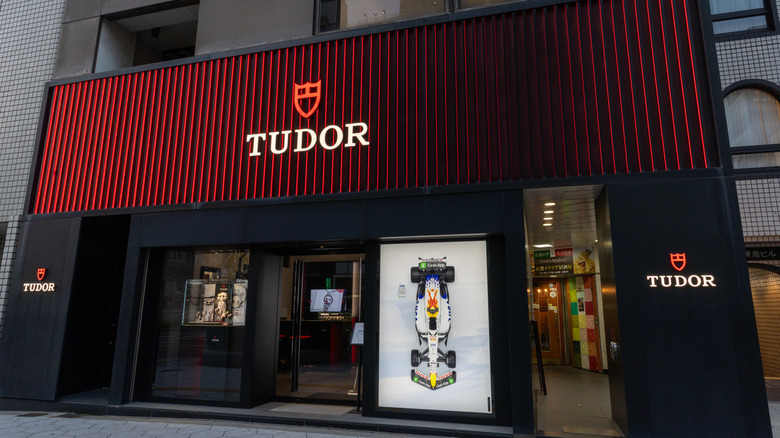
Tudor is the closest sibling to Rolex, born from the same founder, Hans Wilsdorf, in 1926. The company's mission was to deliver bulletproof reliability at a more approachable price point than its more lavish sister brand. By this logic, if the Rolex Submariner is the polished, corporate-executive flex, Tudor's Black Bay is the counterpoint, equally at home in a boardroom — with a solid spec sheet, to boot — yet less of a steep investment.
You'll recognize a Tudor in the wild by its distinctive angular "snowflake" hands, first featured on two of its dive watches in 1969, making them ultra visible during deep dives in murky water. That, combined with a bulky crown, makes these timepieces hard to miss, and they share some design language with Rolex, which never hurts.
You've also likely seen a Tudor in the wild in the form of a Black Bay variant, as the collection accounts for a large share of Tudor sales. Owners of these pieces are buying into some serious vintage diver aesthetics that still look fresh today. Under the hood, these watches are powered by robust in-house Kenissi movements, offering COSC chronometer certification and a 70-hour power reserve. The Black Bay is also rated for 200 meters of water resistance, making it a legitimate, professional-grade timing instrument, while the mid-level Ranger line offers accessible expedition status in compact case options. Unlike some Swiss watches that cost more than most cars, Tudor is relatively attainable and can even outshine a Rollie.